
Hedge Cutting Milford on Sea Hampshire (SO41) Area: Whether they are grown to screen off different areas, make property boundaries appear less harsh or simply provide some shape to an outdoor space, hedges remain a regular sight in gardens all through Milford on Sea. Even so, the majority of hedges need to be cut every now and then if they are to remain at a sensible size and shape. How regularly this needs doing will depend on the type of hedge, how fast it grows & the sort of finish you wish to achieve.

Depending on the amount of growth involved, trimming may only involve a reasonably minor cut, or it could involve a much more significant reduction in overall height or width. If you are aiming for a more structured hedge with even sides & a crisp, level top, it will typically need more frequent maintenance than a hedge where a looser, more natural shape is the aim. How fast a hedge grows can affect how often it needs clipping, with more vigorous varieties sometimes calling for several cuts during the period of active growth, compared with only infrequent clipping for slower-growing hedges.

When to Cut and Trim Your Hedges
There isn't a set time of the year that is suitable for cutting every hedge in Milford on Sea, as different types have their own growth patterns & requirements. The amount of work involved also needs to be considered, since a light tidy-up is considerably different from cutting away a considerable amount of established growth. If any major hedge cutting is required, it is important checking whether the timing is appropriate for the particular species of hedge before pressing on with the work.
The possible presence of wildlife also needs to be taken into account, especially during the main nesting period. It is necessary to find out whether there are any nests that are in use before trimming a hedge, as they shouldn't be interfered with. Where it's uncertain whether anything is living or nesting within the hedge, holding off on the trimming until a more suitable time would be the most sensible approach.
Different Hedges Need Different Treatment
Not each hedge reacts to being trimmed in the same manner, with some varieties often responding in different ways to others. Certain types can tolerate reasonably severe cutting back and can put out new growth from old wood, whilst others might have problems recovering if they are cut back much beyond the outer green growth. Before working out how best to tackle the trimming, it is therefore worthwhile to identify what species of hedge you are dealing with.
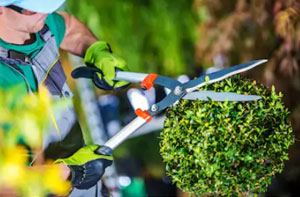
It's also important taking into account how you want the hedge to appear once the trimming has been done. If your hedge is being grown in a formal style, regular attention will usually be needed to retain its precise and tidy appearance, while more natural-looking hedges can perhaps be left to retain more of their natural character. Rather than simply removing as much unwanted growth as you possibly can, the goal should be to keep in check that growth while remaining within what the hedge can safely tolerate.
Although it might appear relatively straightforward, getting a hedge straight & evenly shaped can be quite difficult, especially with a long run or where the hedge is positioned on irregular ground. Without a bit of planning beforehand, just trimming along the existing shape can cause existing bumps, dips & uneven areas to become more apparent, potentially compromising the final result.
Instead of allowing the sides to spread outwards, a formal hedge is generally shaped with a gentle taper, making it a little narrower at the top. More light is able to reach the lower growth when the sides are gently brought in towards the top, while the hedge can also have a more well-proportioned appearance. If the aim is to produce a strictly precise result, simple guides such as string lines and measuring poles can help keep everything properly aligned. For home and property owners in the Milford on Sea area, bringing in a reliable hedge cutting specialist can be an excellent option when neat and consistent finish is vital.
Access is an Important Consideration
Having unrestricted access to the entire hedge from flat, even ground can make the cutting fairly straightforward, while awkward access can mean that other scenarios are considerably more challenging. Nearby walls, fences, sheds, conservatories and steep banks can make a hedge more awkward to get to, while its width can also mean that trimming it properly from one position is difficult.
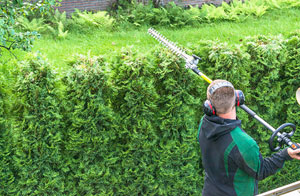
Safe access needs to be planned before the trimming begins, rather than being dealt with once the job is already in progress. Before the trimming starts, the ground surrounding the hedge should be inspected for anything that could cause difficulties, including obstacles & differences in level that could affect the movement of equipment. In places where the hedge is positioned beside a pavement, road or neighbouring property, it is sensible to take extra care over how the trimming is handled, helping to maintain safe access while avoiding unnecessary obstruction.
Some hedge cutting jobs become much more complicated because of the access that is available, and in these situations a competent hedge cutting company from Milford on Sea can provide the experience and equipment that's needed to get the work done safely and efficiently.
The equipment used on a bigger hedge cutting job can go well beyond the hedge trimmer itself, with additional equipment often required. A pair of secateurs may be used for selective smaller cuts, while a pole saw or chainsaw could be required where thicker woody growth needs to be cut back. Getting into a secure position to cut the hedge is only one aspect of the job, since suitable access equipment may be required for parts of the hedge that are taller or more difficult to reach, while sheets spread out underneath can help contain the smaller cuttings as they come down. The work doesn't necessarily end when the cutting has been done, because larger jobs can leave a considerable amount of material to deal with; chippers or shredders may be used for the more substantial branches, followed by rakes and leaf blowers to finish the clear-up.
Tools and Equipment for Trimming Hedges
The size and condition of a hedge will influence the tools that are most suitable for the cutting. The more detailed parts of the job can often be tackled using manual hedge shears, particularly where careful shaping are needed, with powered hedge trimmers making bigger sections of lighter growth faster to trim. When working on a taller hedge, long-reach equipment can be helpful to reach the upper parts, but it still needs to be used from a safe working position.
When tackling thicker stems or older branches, pruning saws, loppers or other cutting tools may be needed than a conventional hedge trimmer. Attempting to force unsuitable equipment through dense growth can produce a substandard finish and could easily put unnecessary strain on the machinery. The right tool for each part of the work can make a significant difference, helping the trimming to be carried out more quickly, with a neater result & better control.

Tackling Large and Awkward Hedges in Milford on Sea
A hedge that has grown well beyond its original size may call for a different approach to one that is getting its usual seasonal cut. Rather than simply starting the work, it is a good idea to first determine how much can sensibly be removed, in addition to what type of shape the hedge is likely to have once the work is complete. With certain hedges, taking the sides back too far can expose older inner growth, which may remain visible for a considerable period.
Hedges that have been allowed to grow for a considerable number of years can become very large, with some branches becoming surprisingly heavy in the process. Taking a careful approach when removing large parts can minimise the risk of damage to plants, fences and other features lower down, rather than allowing the cut material simply fall onto them. What might normally be approached as a routine cutting job may instead need to become a planned reduction when the hedge has to be cut back to its intended dimensions.
Dealing With the Waste

The quantity of waste produced by even a small hedge can be more than expected once all the clippings have been collected together. More extensive jobs can result in a mishmash of long shoots, thicker branches and fine leafy material, which will all need to be picked up before the immediate area can be properly cleared.
Depending on the amount of cut material left over and what facilities are available, there may be different ways of handling it. How the cuttings are managed can depend partly on the quantity involved, with some Milford on Sea property owners able to compost suitable material or deal with smaller amounts themselves, while more substantial amounts might need to be processed and taken away. Before the trimming starts, it's a good idea to decide how the waste will be dealt with, particularly if there is restricted access for carrying bags, branches or equipment.
Avoiding More Difficult Cutting Later On
Subsequent maintenance visits can be a lot easier if, once the hedge has been brought to the required dimensions, it is kept on a regular trimming routine. The more recent shoots that push out beyond the desired outline can become the main focus of following trimming, avoiding the need to continually cut back large amounts of established growth.
How often a hedge needs this cutting procedure can vary from one type of hedge to another, rather than being the same in every case. When another trimming will be necessary can vary according to how rapidly the hedge grows, the type involved, prevailing weather conditions & how well maintained the overall appearance needs to be. How fast a hedge responds after cutting can provide a practical idea as to how frequently it is likely to need further attention.
Some Milford on Sea homeowners may be unable to tackle all the hedge cutting themselves, in which case somebody who is experienced in this sort of work can be brought in to take care of the work on their behalf.
Professional Hedge Cutting in and Around Milford on Sea
Where a hedge is fairly small and can be comfortably accessed, residents in Milford on Sea may choose to take care of the regular maintenance themselves. The work can be more involved with larger hedges or those that are awkward to access, while weighty branches, the need for an accurate finish & the use of specialist equipment can make the task more challenging still.
Instead of determining how to carry out the task without first finding out precisely what is required, an experienced hedge cutting company from Milford on Sea will assess the hedge & assess its type, dimensions, condition, surroundings & the finished appearance that you're hoping to get. Each hedge may be better suited to a slightly different approach or maintenance routine, which can be particularly important when a number of different hedging plants are being dealt with.
If you are thinking about hedge trimming in Milford on Sea, it is sensible to view the hedge as a whole rather than focusing solely on how much needs to be removed from the top section. The hedge's type, current shape, ease of access, surroundings & likely future growth will all affect how the work should be tackled. By using the right cutting methods & taking a practical game plan, it is possible to keep a hedge to manageable dimensions without removing the character that makes it an important part of the garden.
Using a Hedge Cutting Contractor
Instead of trying to tackle the hedge trimming themselves, homeowners in Milford on Sea who would rather leave this type of work to somebody else, or who are unable to do it themselves, can get in a reputable hedge cutting contractor who can take care of the work for them. Rather than simply starting work without first assessing the hedge, they can check over the hedge first and work out what the job involves, the most suitable approach to take and how any restricted access, thicker growth or green waste will be managed. This can be especially useful for householders who have several hedges to have cut, because each one may require a different approach, or there may be a specific finish to achieve.
Nearby:Garden maintenance services are available in Milford on Sea and also nearby in: Downton, New Milton, Barton on Sea, Battramsley, Setley, Lower Pennington, Lymore, Brokenhurst, Pennington, Sway, Everton, Boldre, Mount Pleasant, Lymington, Woodside, and in these postcodes SO41 0QZ, SO41 0WL, SO41 0UW, SO41 0UJ, SO41 0AH, SO41 0QG, SO41 0SR, SO41 0PW, SO41 0RQ, SO41 0AZ. Locally based Milford on Sea gardeners will most likely have the postcode SO41 and the dialling code 01590.
Cutting Hedges Along Paths and Roads
If a hedge is growing beside a road or walkway, it needs regular attention so its branches don't spread into areas used by pedestrians, cyclists and passing vehicles. Around properties in Milford on Sea, boundary hedge that has become overgrown could narrow a pavement, obscure visibility near a driveway or make it harder for people to pass by safely. Trimming away growth that is spreading into these routes can help maintain clear access, but passing vehicles & limited access may make the work more complicated. Where a hedge borders a road or footpath, a hedge cutting specialist from the Milford on Sea area can check the surrounding area, plan how to reach it and complete the trimming without letting its height or shape get out of hand.
Privet Hedge Cutting & Maintenance

With its naturally dense growth and ability to respond well to frequent cutting, privet can create an effective garden boundary that has a clean, defined shape. It's usually fairly tolerant of routine cutting & can add quite a bit of new growth during the growing season, meaning that privet hedges may need cutting more than once every year if a tidy appearance is required. In addition to keeping the hedge within its required dimensions, regular cutting can encourage privet to produce the dense growth that gives a hedge its full appearance. When a privet hedge has gone without regular attention for a long period, thicker stems and woody growth can develop, making it more likely that the hedge will need more than a straightforward routine trim.
Identifying and Dealing With Hedge Problems
Various pests and diseases could cause all sorts of issues for your hedge, starting from the mere visual unattractiveness to disrupted growth. Rather than appearing immediately, signs of trouble might develop gradually, with discoloured leaves, patchy growth, dead shoots, unexpected marks and poor growth among the things to look out for. Whether you have a privet hedge, pests such as caterpillars, aphids & scale insects may damage the growth, while a fungal infection might show up as spotting, dieback or further problems. Prior to cutting out the affected parts, it's essential to find out exactly what's causing the issue.
Is Leylandii Suitable for Your Garden?
If year-round privacy & a substantial garden boundary are important, Leylandii is often a popular choice, as its rapid growth & year-round greenery may form a dense screen which can also provide a degree of wind protection. People with gardens in Milford on Sea who are after a tall screen in a relatively short time might find Leylandii useful, though having sufficient room for the hedge to develop is important. The main drawback is that Leylandii can grow several feet in a year under suitable conditions, meaning that regular trimming is needed to keep its width & height under control. When left without regular attention, Leylandii hedges can become very tall and difficult to manage, while cutting too far back into the old brown wood may leave bare patches which are unlikely to regrow. A large Leylandii hedge could block a fair amount of light and use a considerable amount of garden space, and this may create problems alongside neighbouring properties. Keeping up with regular trimming can save alot of work later, as keeping Leylandii at a manageable size is gonna be easier than trying to recover one which has been left to grow unchecked.
Popular Hedge Maintenance Tasks and Services

Milford on Sea gardeners and hedge specialists will likely help you with hedge shaping, hedge stump grinding, trimming back branches that obstruct gates & pathways, hedge overhang cutback in Milford on Sea, juniper hedge cutting, hedge reductions, hedge re-planting, hedge layouts, hedge cutting advice, weekly hedge maintenance, hedge pest control, hedge thinning & crown reduction, tree shaping, cutting back hedges to improve visibility near driveways, shredding & chipping suitable woody hedge cutting waste, quickset hedging, ivy removal, agricultural hedge cutting, hedge makeovers, overgrown hedge cutting, conifer hedge cutting, roadside hedge trimming and other hedge related services in the Milford on Sea area of Hampshire.
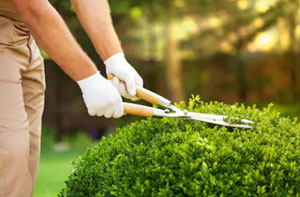 Hedge Care Milford on Sea
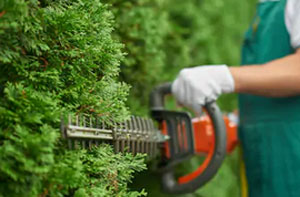 Hedge Cutting Milford on Sea
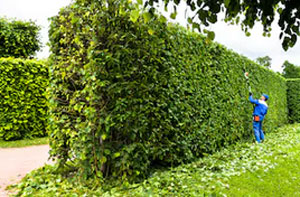 Hedge Trimming Milford on Sea
Professional Hedge Trimming Near Me
In places near Milford on Sea you can also find: Mount Pleasant hedge trimming, Everton hedge trimming, Woodside hedge pruning, Boldre hedge clipping, Everton hedge pruning, Sway hedge pruning, Boldre hedge pruning, Battramsley hedge trimming, Setley hedge trimming, Boldre hedge cutting, New Milton hedge trimming, Everton hedge cutting, Downton hedge cutting, Lymington hedge clipping, Lymore hedge pruning hedge cutting and more.
More: Cut Hedges, Top Trimming, Shrub Pruning, Hedge Removal, Hedge Thinning, Hedge Renovation, Hedge Topping, Hedge Clipping, Seasonal Trimming, Screening Hedges, Hedge Removal, Garden Hedges, Shrub Pruning, Garden Maintenance, Garden Hedge Cutting, Hedge Restoration, Shrub Pruning, Garden Hedge Cutting, Garden Maintenance, Hedge Planting.
Specialist hedge cutting in the SO41 area, and dialling code 01590.
TOP - Hedge Cutting Milford on Sea
Topiary, Hedge Shaping, Hedge Care Milford on Sea, Hedge Maintenance Milford on Sea, Hedge Removal Milford on Sea, Hedge Pruning, Hedge Trimming Milford on Sea, Hedge Trimming Near Me, Hedge Cutting Near Me, Hedge Cutting Milford on Sea, Hedge Cutting Contractors Milford on Sea, Tree Surgery Milford on Sea